The Crownless King's Censorious Grip
Jimmy Kimmel's Suspension: FCC Chair Brendan Carr Threats, First Amendment Fissures, and Retaliation Against Letitia James Herald an Era of Retaliatory Rule in Trump's Fractured Republic

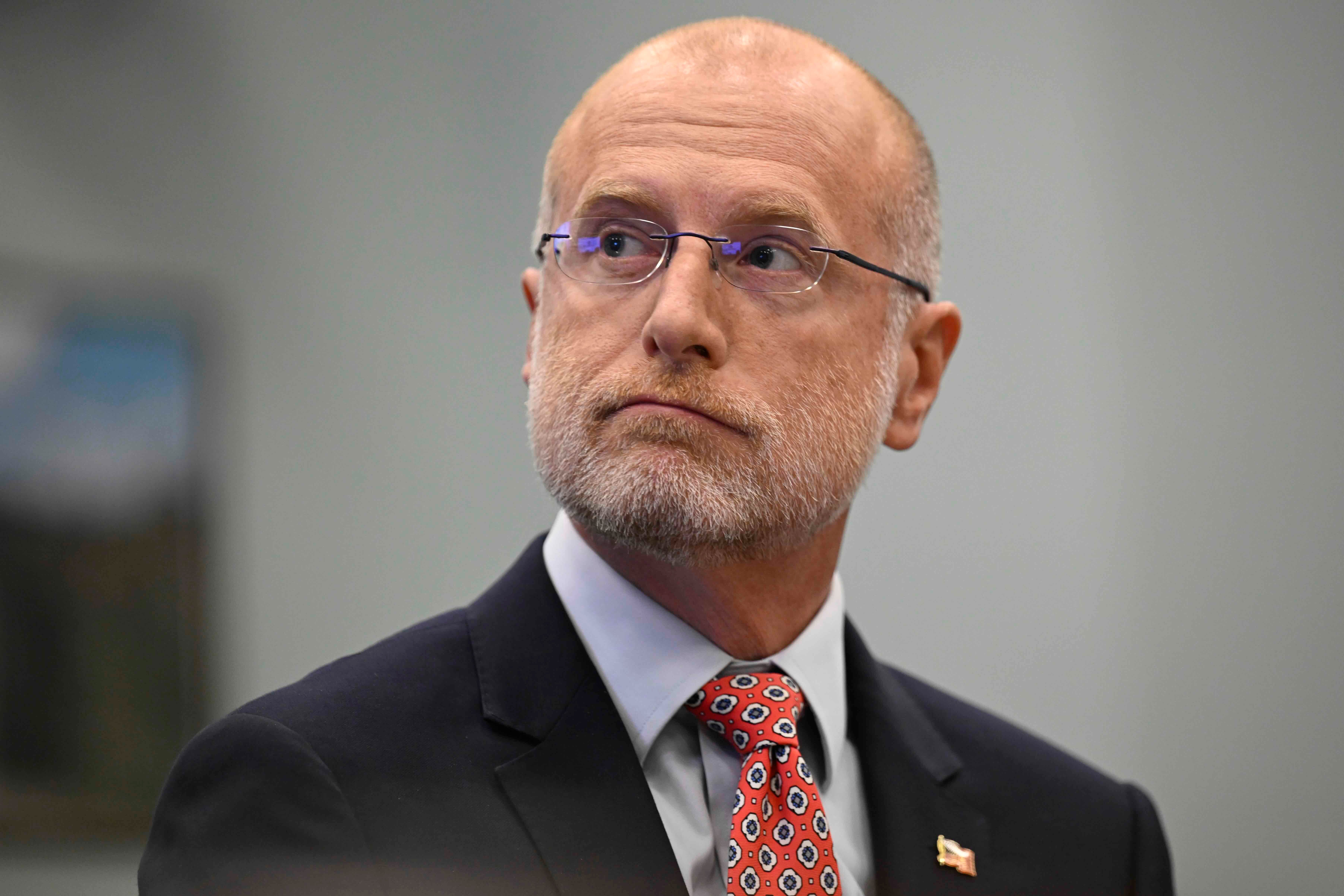
As the digital ink dries on Attorney General Pam Bondi's ill-conceived vow to target "hate speech" and FCC Chair Brendan Carr's license-revoking saber-rattling forces ABC to sideline Jimmy Kimmel's late-night barbs, the bedrock of American free expression now teeters like a house of cards amid governmental jawboning, private capitulations, and ignored victims—from Epstein's lingering web of elite impunity to heroic child shields in school shootings and the grim hunt for trafficked migrant minors—all while Trump's administration plays king in a realm where apologies are demanded, investigations stall, and the treasury of justice feels plundered:
Kimmel's Monologue and the Swift Backlash: In the wake of conservative activist Charlie Kirk's assassination on September 17, 2025, Jimmy Kimmel's monologue falsely attributing the act to a MAGA supporter ignited conservative outrage, prompting ABC to announce an indefinite hiatus for Jimmy Kimmel Live! amid plummeting ratings, advertiser boycotts, and affiliate preemptions by networks like Nexstar and Sinclair, who cited safety fears from death threats and doxxing against Disney staff, transforming a comedian's edgy commentary into a flashpoint for broader debates on accountability versus censorship in a polarized media landscape.
Governmental Pressure Meets Private Conduct: At first glance, ABC's decision appears as a business calculus by a private entity navigating market forces, but underlying FCC threats from Chair Brendan Carr—warning Disney to handle the controversy "the easy way or the hard way" amid pending mergers and license reviews—blur the lines into potential state action, raising questions of whether the Trump administration's coercion violates First Amendment protections against indirect censorship, much like how an elementary school teacher couldn't be fired for complaining about funding as a private citizen on public matters under Pickering v. Board of Education (1968).
Kimmel's Potential Legal Recourse Against Employer and State: Against Disney/ABC, Kimmel could pursue a contract-based lawsuit if the suspension breaches employment terms, such as clauses protecting against terminations for political speech or requiring cause beyond ratings dips, though broad discretion in his deal might weaken the claim; more compellingly, he might sue the government for First Amendment violations via the state action doctrine, arguing FCC extortion by Chair Brendan Carr effectively silenced him, drawing on precedents like Bantam Books, Inc. v. Sullivan (1963) where informal threats chilled speech without formal bans.
Precedents of State Pressure on Private Entities: This hybrid scenario—where the state pressures a private company to achieve what it can't directly—echoes cases like Murthy v. Missouri (2024), scrutinizing government jawboning of social media to suppress content, ruling that threats of adverse action cross into coercion; if proven through discovery of administration-Disney communications, Kimmel's suit could expose how such tactics undermine free speech, especially when Trump demands apologies from media and educational institutions, yet those who fight, like George Mason University's president refusing DEI regrets, often prevail in court.
The Human Cost of Hybrid Overreach: Employees like Kimmel and Disney staff should not be forced to bear personal financial burdens or risk protracted court battles to defend against harms stemming from these hybrid government-private pressures, where individual livelihoods hang in the balance of political vendettas; compounding the chill on expression, President Trump is expected to fire U.S. Attorney Erik Siebert of the Eastern District of Virginia for refusing to secure an indictment against his political opponent, New York Attorney General Letitia James, on unsubstantiated mortgage fraud claims, while simultaneously, the boycott against ABC and Disney intensifies with social media campaigns and advertiser pullouts amplifying calls for accountability over perceived censorship.
The Epstein Stench and Stalled Justice: I don't know how anyone can feel well after what has happened, with so many problems festering while everything just smells like Epstein—the victims keep getting ignored, and it's like the treasury has been robbed of accountability; the investigation, halted prematurely after his 2019 death, has seen glacial progress, with recent House Oversight releases of estate records and calls for Treasury bank files under Secretary Keith Bessent, yet critics decry the piecemeal declassifications and Trump's signed items in Epstein's belongings as evidence of elite cover-ups spanning administrations.
Heroism Amid Horror in Minneapolis: It's like that 10-year-old who threw himself on his friend to protect him during a school shooting—Victor Greenawalt shielded Weston Halsne amid the August 27, 2025, mass shooting at Annunciation Catholic School in Minneapolis, where shooter Robin Westman killed two children and injured 17; Victor was hit but saved Weston from fatal wounds, with shrapnel narrowly missing his carotid artery, earning congressional honors and reminding us of selfless courage in a nation scarred by unchecked violence.
The Hunt for Missing Migrant Children: Border Czar Tom Homan has prioritized locating over 300,000 unaccompanied minors lost under prior administrations, rescuing nearly 25,000 so far—some hiding with parents evading deportation, but many ensnared in sex trafficking, forced labor, and abuse with ungodly hours sans pay or schooling; tragically, 27 have died, yet the administration vows relentless pursuit, though skeptics question inflated figures and the balance with massive deportations, as a federal judge recently blocked 76 Guatemalan minors' removals.
Today's suspension of Kimmel—ceremonial in its media gloss but marred by governmental overreach—encapsulates a republic at a crossroads. Trump's crownless reign demands fealty, but the future hinges on whether legal fights and public courage deliver justice for silenced voices and forgotten victims, or expose America's vulnerabilities in a world of coerced silences and stalled reckonings. As Epstein shadows persist and heroes like Victor emerge from tragedy, this moment may signal not just continuity, but profound peril—a realization that the governance of the nation falters, which is why free speech and vigilant inquiry become so pivotal for the transatlantic legacy and beyond. What lies ahead for our fractured freedoms? We are hoping the fight and the fortitude will do the trick.