The Day of Reckoning: Midterms Loom as Ballots Are Seized and ICE Targets Hispanic Communities
Escalating Crackdowns, Election Interference, and the Fight for Midterms 2026 – Urgent Developments in a Defining Moment for American Democracy

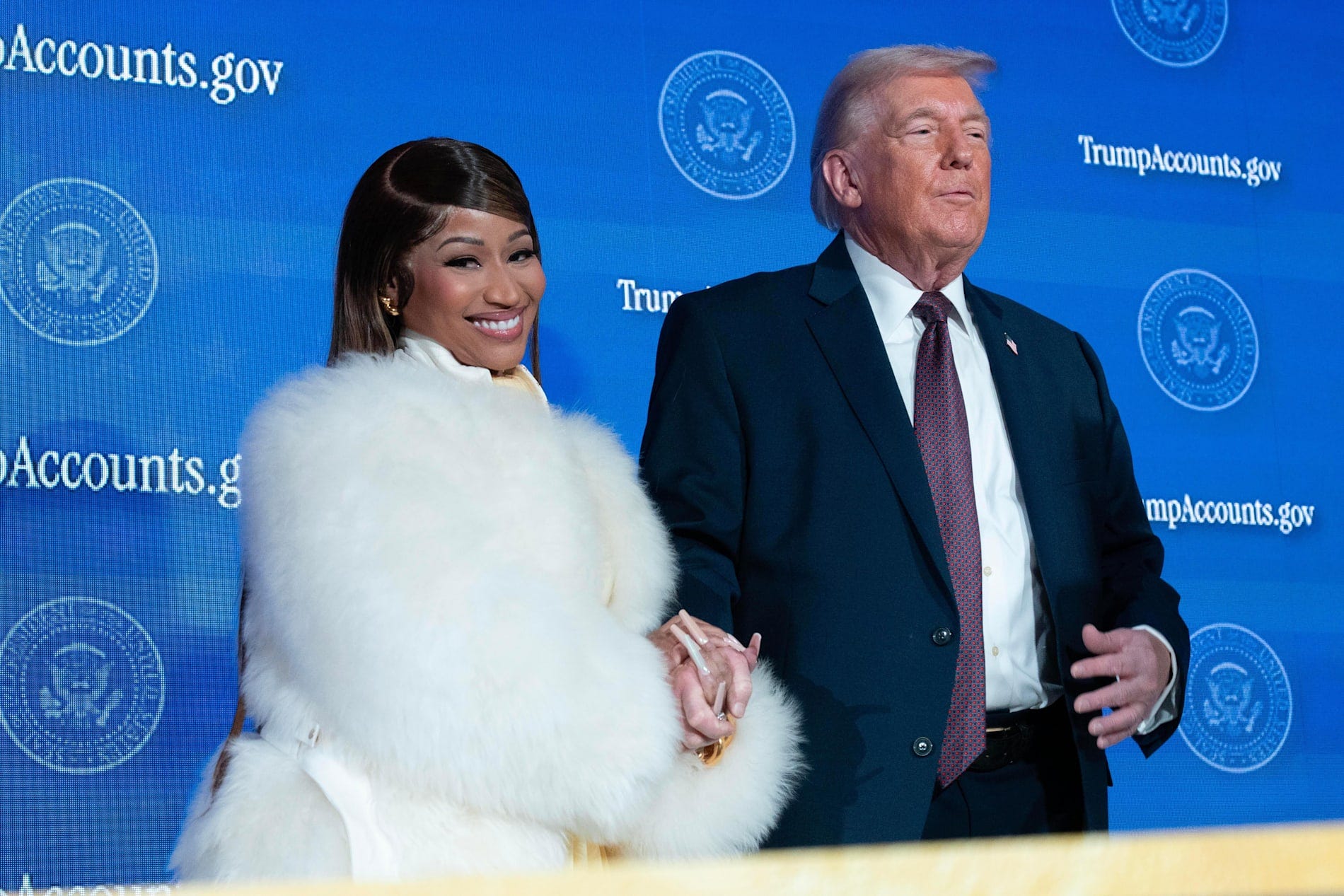
Recent events have intensified fears that the 2026 midterm elections could be fundamentally altered before they even begin. The Department of Justice’s raid on Fulton County, Georgia’s Board of Elections—seizing ballots from the 2020 election—has raised alarms about potential voter suppression and interference tactics aimed at influencing future outcomes. At the same time, aggressive ICE operations continue in states with relatively small Hispanic populations (such as Minnesota and Maine), creating widespread fear, economic disruption, and community trauma among Latino families and essential workers. These developments, combined with ongoing immigration enforcement controversies, detention abuses, calls for accountability, and high-profile celebrity endorsements like Nicki Minaj’s vocal support for President Trump, mark a critical juncture as the nation approaches what many describe as the most consequential midterm elections in a generation.
Domestic:
Humanitarian Aid Expansion in the U.S. and Beyond: Partnerships with groups like Save Ukraine and Chef José Andrés’ World Central Kitchen continue to supply generators, food, medicine, and heating to families in crisis, including isolated cases involving disabled children. These efforts demonstrate how targeted support creates direct, life-saving impacts.
Minnesota ICE Operations Under Scrutiny and Recent Shifts: Following high-profile incidents, including the death of Alex Jeffrey Pretti—a 37-year-old U.S. citizen, ICU nurse at the Minneapolis VA hospital, and Minneapolis resident fatally shot by federal agents on January 24, 2026—federal immigration enforcement has seen leadership changes and tactical adjustments. Operations now emphasize targeted enforcement focused on public safety and national security threats.
Agreements and Draw-Down Plans: Discussions with state and local officials, including Governor Walz, Attorney General Ellison, and Mayor Frey, have led to agreements on not releasing certain public safety threats from custody without coordination, allowing transfers to ICE. This cooperation is enabling a planned draw-down of federal agents and resources in Minnesota, as efficiency improves through arrests conducted in the secure environment of jails rather than on streets—reducing resource needs, minimizing collateral encounters, and enhancing safety for officers and the community.
Trump Amplifies “Domestic Terrorist” Label on Alex Pretti: President Trump shared and amplified a Truth Social post labeling Alex Pretti a “domestic terrorist,” referencing a January 13 clip and sarcastically describing him as a “peaceful protester.” This move follows a familiar pattern: public inflammatory statements precede full investigations, contributing to heightened tensions and rhetoric around the incident.
Comments on Alex Pretti Incident and New Video: In response to a circulating new video related to the Alex Pretti shooting, officials have deferred to ongoing investigations, emphasizing that any misconduct by agents would be addressed according to standards of conduct. The focus remains on preventing violence through reduced rhetoric and interference, with expressed hopes that everyone involved returns home safely.
Urging Channels for Reform: Officials stressed that disagreements with enforcement should be directed at Congress for legislative changes rather than protests targeting officers on the ground. Peaceful expression of views is supported under First Amendment rights, but interference, obstruction, or assaults on law enforcement will face zero tolerance.
Push to Remove DHS Secretary Kristi Noem: Advocacy groups are calling for Noem’s removal—through resignation, firing by Trump, or impeachment—viewing her as a key architect of aggressive policies. This stance, once seen as fringe, is gaining traction among Democrats, including figures like Sen. John Fetterman, amid criticisms of her role in operations and ties to Project 2025.
Minnesota AG Keith Ellison’s Oversight Role: Ellison is collaborating with local prosecutors to ensure a thorough, transparent investigation into the Pretti case, drawing on his experience from the George Floyd prosecution. Efforts aim to avoid federal pitfalls and secure justice for the family, community, and all Minnesotans, despite potential administration disruptions.
Group of DAs Exploring State Prosecutions (FAFO): A coalition of district attorneys, including Larry Krasner (Philadelphia) and the Hennepin County Attorney (Minneapolis), formed “FAFO” to pursue state-level accountability for federal agents. They seek to challenge the supremacy clause by arguing agents exceeded lawful force or roles, potentially prosecuting for murder or assault—even the threat of such actions could deter impunity.
Federal Judge’s Rebuke of ICE: The chief judge of the U.S. District Court in Minnesota issued a letter to the 8th Circuit criticizing ICE arrests (e.g., in churches) and an order attaching exhibits of over 100 cases where federal agents disobeyed court orders, emphasizing that “these people are not above the law” and must comply like any U.S. citizen.
ICE Ends Enhanced Surge in Maine: Sen. Susan Collins (R-ME) announced ICE has halted its “enhanced” operations in Maine after discussions with DHS Sec. Kristi Noem, stating there are “no ongoing or planned large-scale” ops—though normal ICE/CBP activities continue. This follows reports of racial profiling, vehicle stops, and window-smashing arrests in a state with a low immigrant population and a border with Canada, raising questions about targeting motives.
Skepticism Toward Tom Homan’s Role: As Trump’s border czar, Homan (noted for past “50 thousand in a Kava bag” controversy) is in Minneapolis sounding conciliatory, but advocates remain skeptical given his earlier statements on deporting U.S.-born children with undocumented parents. Groups plan meetings with the administration for dialogue on policies, while criticizing figures like Greg Bovino for clear lies that require counterbalance.
Liam Rojas’ Deteriorating Health in Detention: The 5-year-old boy, used as “bait” by ICE to apprehend his father and detained in Dilley, Texas, is suffering from stomach pain, fever, and illness due to poor-quality food. His mother is distraught; advocacy actions are planned for his release and family reunification, highlighting broader detention abuses.
Fulton County Election Raid Raises Midterm Concerns: The DOJ raided the Fulton County, Georgia, Board of Elections, seizing 2020 ballots amid claims of irregularities—officials warn this could impact 2026 midterms, seen as a defining moment for election integrity and potential voter suppression tactics.
Targeting Low-Immigrant States and Broader Strategy: Operations in states like Minnesota (6-7% Latino, ~300-330k) and Maine (low Latino population, predominantly non-Hispanic white) suggest a focus on sanctuary areas or political retaliation (e.g., against Maine’s governor). Latinos are living in fear, altering work shifts and daily lives; restaurants close early with escorts for staff, reflecting economic disruptions.
Midterm Election Maneuvers: Viewed as the most critical midterms in a lifetime, efforts focus on educating communities, shifting polls (even among moderate Republicans), and holding Democrats accountable in procedural votes to reject additional DHS funding. Groups like LULAC are tracking Democrats who supported prior bills, pushing for no concessions—even if it risks shutdowns—and advocating long-term immigration reform via reconciliation to curb ICE abuses, reunite families, and address generational impacts beyond short-term crises.
TikTok US Operations Transfer and Privacy Risks: On January 22-23, 2026, TikTok’s U.S. operations shifted to TikTok USDS Joint Venture LLC, with ownership including Oracle (15%), Silver Lake (15%), MGX (15%, chaired by UAE’s national security adviser Sheikh Tahnoon bin Zayed Al Nahyan), and ByteDance (19.9%). Concurrent privacy policy changes enable precise GPS location tracking, AI interaction logging (prompts, responses, metadata), and expanded cross-platform ad tracking. This raises concerns about surveillance risks, given ties to authoritarian-linked entities (e.g., UAE’s documented spyware use) and Oracle founder Larry Ellison’s advocacy for AI mass surveillance, potentially threatening user privacy, free speech, and democratic participation through data collection on sensitive activities like health visits or political organizing.
Nicki Minaj Positions as One of Trump’s Most Prominent Celebrity Supporters: Rapper Nicki Minaj has been described as “USA’s President Donald Trump’s biggest fan,” publicly praising him and defending his actions despite widespread protests and international criticism labeling him a fascist. Critics argue her support serves as a shield against accusations of racism, sexism, and authoritarianism, portraying her as a “sellout” who gains relevance by aligning with Trump—highlighted by viral moments of close physical proximity (e.g., her press-on nails near his hand) used to project an image of unity between diverse groups and the administration.
FEMA Review Council Extension: On January 23, 2026, President Trump extended the Federal Emergency Management Agency Review Council for 60 days, keeping it in effect until March 25, 2026, effective January 24, 2026. The council was originally created by Executive Order 14180 on January 24, 2025. The extension followed the council’s failure to publicly release its final recommendations on schedule. Reporting in December described an abrupt cancellation of a planned meeting to unveil reforms after a draft report leaked, with major changes reportedly under consideration. (The White House, AP News)
Epstein Files Push for Justice: Discussions continue around newly surfaced documents, including a potentially forged letter linked to Jeffrey Epstein. The petition for full release of the Epstein files has surpassed 7,000 signatures, pressing for greater transparency.
Venezuela Corruption Exposé in the Works: Collaborations with journalists are exposing alleged profiteering, misleading testimony, and fund diversions abroad (including to Qatar to avoid American creditors), leaving affected communities without relief—while questions remain about how any benefits reach Venezuelan people amid claims of tax avoidance and inflated oil sales.
International:
Ukraine Aid Miracles and Humanitarian Impact: A volunteer delivered essential supplies—including a major generator for electricity and lighting, heating packs, medicine, food, and toys—to a mother and her three disabled children living in a remote, war-torn area on the outskirts of Kyiv. The family faced severe hardships, including holes in walls from shelling, no access to supermarkets or basic needs, and barely any food or heat. This effort highlights how targeted aid brings immediate relief and joy to isolated families amid the ongoing conflict.
Ukraine Geopolitical Standoff and “Peace Talks”: No genuine peace negotiations are underway; instead, reports describe ultimatums from figures like Witkoff and Kushner demanding Ukraine cede Donbass for any security guarantees—a proposal described as a non-starter. Russian sources and media indicate no deal is possible, framing developments as theatrics. Emphasis remains on watching actions over words, channeling energy into strategic action rather than emotional reactions.
Speaking Truth to Power in Challenging Times: The importance of addressing uncomfortable realities persists, even when it involves criticizing allies or saying things people don’t want to hear. In the long run, speaking truth fosters personal integrity and progress, while silence equates to complicity—urging continued advocacy for justice and sovereignty.
Greenland Tensions and Local Panic: A major power outage in Nuuk at 11 p.m. sparked widespread fear that the U.S. was launching an attack, leading residents to check critical infrastructure like generators, the airport, and the port (where three warships are typically present). Locals now welcome Danish military presence for protection, with armed guards at key sites and a heightened sense of alertness.
Greenland Land Ownership and Rejection of “Deals”: No one owns land in Greenland—only houses, with community councils approving builds after residency requirements. Residents revere the land as unownable, viewing it as a solemn duty passed down for generations. They reject any real estate transaction or “deal,” with locals stating they “don’t want Minnesota brought to Greenland.” With 35,000 guns among 57,000 people, many are prepared to resist.
Greenland Preparations and NATO Dynamics: Government memos urged residents to stock five days of food, water, and beverages while preparing rifles and ammunition—guidance that received limited Western press coverage. Influential figures like Orly Olsen emphasize high alert status and cultural resistance. Mark Rutte reportedly referenced a 1951 memo on U.S. bases, which Trump misinterpreted as a path to sovereignty or sale—leading to perceptions that he was duped. Questions linger: What is the “deal”? What did Trump actually get? Military exercises continue, with hundreds of Danish soldiers in Nuuk and thousands across the island, signaling readiness rather than retreat.
NATO Ally Backlash and Sacrifices: Remarks downplaying sacrifices by Danish and Canadian forces in Afghanistan have fueled protests, including large-scale memorial displays in Denmark. Solidarity rallies are planned to counter perceived threats to allied security, with many viewing Trump’s influence as illegitimate. Of 360 million Americans, approximately 290 million did not vote for him, highlighting broader discontent.
EU-India Landmark Free Trade Agreement: On January 27, 2026, the European Union and India finalized a historic free trade agreement after nearly two decades of negotiations, described as the “mother of all deals.” The pact creates a free trade zone covering about 2 billion people and a quarter of global GDP, with tariffs eliminated or reduced on 96-97% of goods by value (including EU exports like cars and wine, and Indian exports). The deal is expected to double EU exports to India by 2032, strengthen economic ties, and serve as a strategic counter to global trade uncertainties.
Russian Exiles Face Deportation Risks in Thailand: Anti-war Russian dissidents, including members of the rock band Bi-2, have encountered detention and deportation threats in Thailand for immigration violations, amid alleged pressure from Russian officials. The band was held in Bangkok before relocating to Israel, underscoring challenges for Russian exiles fleeing sanctions, conscription, and oppression—while Thailand balances hosting a growing Russian tourist and expatriate community (aiming for 2.2 million visitors in 2025) with international relations.
France and Spain Shift to Support EU Terror Listing for IRGC: France has reversed its position and now supports designating Iran’s Islamic Revolutionary Guard Corps (IRGC) as a terrorist organization on the EU level, following Spain’s recent shift in stance. This marks significant momentum toward potential EU-wide sanctions and restrictions on the IRGC, a major development in European policy toward Iran amid ongoing concerns over its regional activities and nuclear program.
Tragic Knife Crime in the UK: A 15-year-old boy (aged 14 at the time) pleaded guilty to murdering 12-year-old Leo Ross in Birmingham. The victim died from stab wounds to the stomach on a riverside path in Hall Green in January last year; the perpetrator cannot be named due to legal protections.
Economic:
Bipartisan Talks to Avert Government Shutdown: President Trump and Senate Minority Leader Chuck Schumer (D-NY) advanced toward a potential agreement on Wednesday night to separate Department of Homeland Security (DHS) funding from a broader six-bill spending package. This would allow passage of funding for military, health, and other agencies before the Friday midnight deadline, while providing a short-term extension for DHS operations (including TSA, Coast Guard, and FEMA) to avoid immediate service disruptions and enable negotiations on new restrictions for immigration enforcement agents.
Demands for Immigration Enforcement Reforms in Funding Talks: Democrats, led by Schumer, have conditioned support for DHS funding on reforms including requirements for agents to remove masks, wear body cameras, halt random sweeps and warrantless searches/arrests, and increase accountability for excessive force. The push intensified following the Minneapolis shooting of Alex Pretti, with officials noting progress but emphasizing that no final deal is sealed and hurdles remain; a Thursday test vote on the package looms amid ongoing discussions.
These developments—from ballot seizures and targeted ICE raids to celebrity endorsements like Nicki Minaj’s unwavering support for Trump—reflect a deeply polarized moment where enforcement tactics, election integrity concerns, and public figures are reshaping the political landscape ahead of the 2026 midterms. Every contribution—whether through sharing facts, supporting causes, signing petitions, or civic engagement—helps shape outcomes. Stay focused on reliable information, justice, safety, economic stability, and democratic values. Further updates and discussions are expected—remain informed and active.
A fresh YouGov poll (Jan 26, 2026, conducted right after the Minneapolis events) shows 46% of Americans now support abolishing ICE (vs. 41% who oppose) — up from earlier January polls where it was roughly split or slightly negative. A majority (58%) also say ICE's tactics are "too forceful," and 57% disapprove of how the agency is handling its job. This differs from Rasmussen's higher Trump approval numbers because those polls often capture broader approval trends that lag behind breaking news cycles like Minneapolis. Full breakdown here if you're interested:
https://today.yougov.com/politics/articles/53939-more-americans-support-than-oppose-abolishing-ice-immigration-minneapolis-shooting-poll
Fascinating tactical observation about targeting low-immigrant states like Minnesota and Maine. The geographical specificity seems designed to maximize political impact rather than just enforcement efficiency, which honestly tracks with how campaigns test messaging in swing districts. I've noticed similar patterns in policy rollouts where the demo matters more than the scale. The timing ahead of midterms amplifies that signal pretty clearly.