Trump's Second Term: One Year of Unilateral Power, Alliance Strains, and Domestic Realignment
Greenland threats, Venezuela memos, FBI shifts, Texas storm, homeland risks, Epstein files, and health crises mark a year of bold action and strain

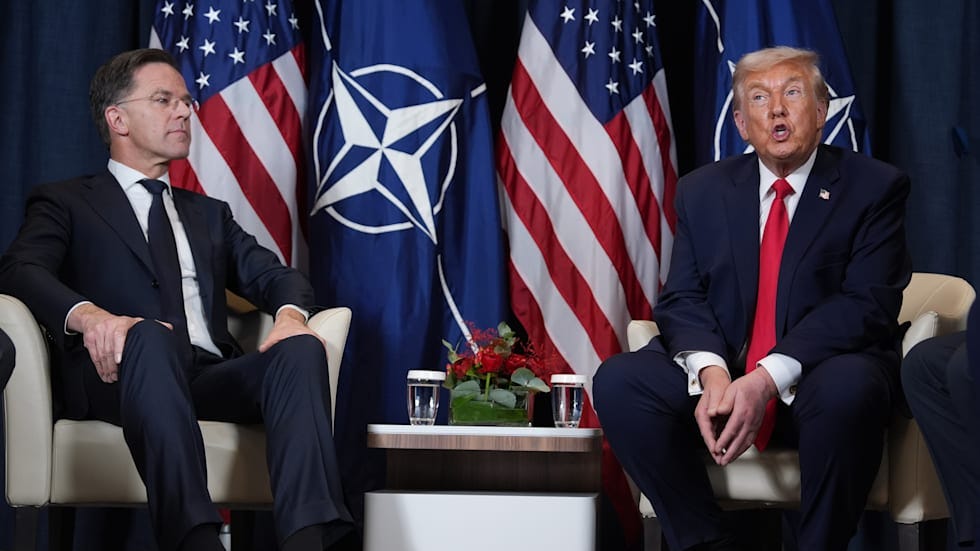
One year into Donald Trump’s second presidency, the administration has pursued unilateral decisions and aggressive policy moves. Inauguration Day mass pardons for January 6 participants set an early tone of loyalty and norm-breaking, while a lengthy anniversary press conference featured rambling grievances and misinformation. Internationally, Trump’s Davos address berated European allies before a partial retreat on Greenland ambitions, and a leaked December 23, 2025, Office of Legal Counsel memo provides legal justification for a military-assisted “irregular rendition” of Nicolás Maduro from Venezuela to face U.S. prosecution on narcotics and cartel charges. At home, a leaked directive reorients FBI domestic terrorism focus toward “Antifa-aligned extremists,” high-profile DOJ departures signal politicization, unclassified intelligence assessments warn of persistent terrorism, cyber, and economic threats in 2026, recent Epstein estate photo releases prompt White House pushback, and a new American Heart Association report underscores cardiovascular disease as the leading cause of death. Key developments are outlined below in international and domestic categories.
International
Executive Actions Define the Term — The administration’s approach has featured unilateral decisions, including Inauguration Day pardons for January 6 participants, which critics tie to loyalty demands rooted in election denialism and broader impacts on domestic states and foreign relations.
Allies Criticized in Davos Address — At the World Economic Forum, Trump accused European partners of relying on U.S. World War II efforts, warning that without American intervention, they “would be speaking German or Japanese.” The comments, aimed at an audience already under tariff pressure, deepened transatlantic strains.
Greenland Force Rhetoric Escalates, Then Eases — Trump claimed the U.S. could seize Greenland with “excessive strength” if necessary, arguing no other nation could secure it. He subsequently stated force would not be employed, reducing immediate alliance concerns while exposing initial NATO frictions.
Trump’s Davos Speech on Greenland — In his address, Trump reiterated that “we would be, frankly, unstoppable” if force were needed, but added “I won’t do that.” He asserted the U.S. was the only country capable of guaranteeing Greenland’s security, claimed “there was nothing wrong” with acquiring territories, and said once acquired, Greenland would host the “greatest golden dome ever built.” He presented Denmark and Europe with a choice: “You can say yes, and we will be very appreciative. Or you can say no, and we will remember.”
Leavitt Defends Trump’s Greenland/Iceland Mix-up — Press Secretary Karoline Leavitt dismissed reports that Trump confused Greenland with Iceland multiple times during his Davos speech, insisting he was referring to Greenland as a “piece of ice” in his written remarks. She posted on X: “No he didn’t, Libby. His written remarks referred to Greenland as a ‘piece of ice’ because that’s what it is. You’re the only one mixing anything up here!” Critics highlighted the repeated verbal slips as evidence of cognitive decline, with the incident drawing widespread mockery online.
Trump Misunderstood Purpose of Troops in Greenland — U.S. President Trump reportedly “misunderstood” why soldiers were sent to Greenland, an error he acknowledged in a Sunday phone call with British Prime Minister Keir Starmer, according to sources who spoke to Sky News.
Arctic Agreement Framework Announced — Via Truth Social, Trump outlined a “framework of a future deal” with NATO covering Greenland and the Arctic, assigning roles to officials including JD Vance and Marco Rubio. Observers described the proposal as vague, potentially covering military matters but excluding any sovereignty transfer.
Golden Dome Defense System Highlighted — The envisioned “Golden Dome” — a large-scale missile shield similar to Israel’s Iron Dome — was presented as essential for countering Russian or Chinese threats over the Arctic. Existing treaties with Denmark already allow U.S. military presence, making ownership demands and tariff warnings appear superfluous to some analysts.
Allied Pushback Leads to Tariff Withdrawal — The European Union paused trade talks with the U.S. and explored alternative partnerships. This coordinated resistance, aided by NATO Secretary General Mark Rutte’s engagement, contributed to the decision to drop scheduled tariffs.
National Security, NATO, and the Trump Doctrine — Trump’s foreign policy—from Greenland threats to tariffs—has pushed allies into defensive postures against the United States itself. Retired Space Force Col. Bree Fram has dismantled the rationale behind claims that U.S. sovereignty over Greenland is necessary for missile defense, calling it strategically nonsensical and diplomatically destructive. She has warned that the administration views power only through force and money, undermining decades of alliance-based security.
Domestic
Lengthy Anniversary Briefing Draws Attention — The 104-minute press conference covered topics such as windmills and the Nobel Peace Prize amid misinformation. Such events, while increasingly routine, continue to challenge sustained public and media focus when examined closely.
Texas Faces Major Winter Storm — An arctic front is set to bring subfreezing temperatures, snow, sleet, and freezing rain across Texas starting Friday, January 23, with risks of ice accumulation and power outages statewide. The Texas Tribune reports hard freezes from El Paso to Houston, hazardous travel in two-thirds to three-quarters of the state, and activation of emergency resources by Gov. Greg Abbott. Preparation includes bracing for infrastructure strains similar to past events.
Retired Officers Back Kelly Lawsuit — More than 40 retired generals, admirals, and senior military leaders filed an amicus brief supporting Sen. Mark Kelly’s (D-Ariz.) suit against Defense Secretary Pete Hegseth. The filing expresses concern over potential retaliatory measures and their chilling effect on protected speech, particularly for a retired Navy captain and sitting senator.
Venezuela Memo Prompts Legal Scrutiny — A December 23, 2025, Office of Legal Counsel memo advised that President Trump could lawfully order military personnel to assist in the “irregular rendition” of Nicolás Maduro from Venezuela to face U.S. prosecution on narcotics and cartel-related charges. The memo frames the operation as below the constitutional threshold of “war,” despite plans involving helicopters, aircraft, and potential armed resistance. Experts and military law specialists have called the guidance “plainly unlawful” under domestic and international law, comparing it to Bush-era torture memos, with concerns over risks to troops from potentially illegal orders and calls for scrutiny via the Office of Professional Responsibility, state bar referrals, and future probes.
Holmes Seeks Sentence Commutation — Theranos founder Elizabeth Holmes has petitioned President Trump to commute her more than 11-year prison sentence for investor fraud, according to the Department of Justice pardon attorney’s database. The request is listed as pending. Another day, another high-profile figure pursuing presidential clemency.
Lindsey Halligan Departs DOJ After Unlawful Appointment Ruling — Lindsey Halligan, the Trump-appointed interim U.S. Attorney for the Eastern District of Virginia who pursued cases against perceived political adversaries like James Comey and Letitia James, has left the Justice Department. Federal judges ruled her appointment unlawful and barred her from using the title. Critics view the episode as emblematic of broader politicization within the DOJ.
FBI Domestic Terrorism Focus Shifts, Raising Concerns — A leaked December 4, 2025, directive from Attorney General Pam Bondi reoriented domestic terrorism priorities toward “Antifa-aligned extremists.” It instructed the FBI to compile secret lists of U.S. groups, expand tip lines with cash rewards, map networks of organizers and funders, and surge grants to aligned state and local partners—while including a footnote that First Amendment activity alone should not trigger investigations. Observers warn the shift risks chilling protected speech, diverts resources from other threats, and could invite lawsuits over selective enforcement or constitutional violations.
2026 Homeland Threat Assessment Highlights Persistent Risks — Unclassified portions of a U.S. intelligence assessment warn of ongoing terrorism threats in 2026, with attacks expected mainly from lone offenders or small cells driven by domestic grievances or foreign inspiration (e.g., ISIS/al-Qa’ida, elevated by the Israel-Hamas conflict). Domestic violent extremists remain most active, linked to multiple attacks and plots targeting ICE facilities; major 2026 events like FIFA World Cup matches and the 250th anniversary of the Declaration of Independence are flagged as potential targets. Border security improved in 2025 (sharp drop in migration, 50% fentanyl seizure reduction), though cartels adapt; critical infrastructure faces rising cyber threats from state actors, while economic threats from China, Russia, Iran, and North Korea involve espionage and sanctions evasion.
Epstein Estate Photos Prompt White House Response — White House spokeswoman Abigail Jackson stated that the latest round of photos released from Jeffrey Epstein’s estate by Democrats on the House Oversight Committee “changes nothing.” She added: “President Trump has been consistently calling for transparency related to the Epstein files and his administration has delivered.” The photos, part of a trove from Epstein’s estate including images of Trump and others, were released in December 2025 amid ongoing scrutiny.
Cardiovascular Disease Remains Leading Cause of Death — Despite treatment advances, cardiovascular disease was the top killer in the U.S. in 2023, claiming 916,000 lives—nearly three in 10 fatalities—and outpacing cancer and accidental injuries combined, per a new American Heart Association report. Progress slowed after 2010 due to rising obesity, Type 2 diabetes, and pandemic disruptions, with deaths surging to 942,000 in 2022 before dipping slightly. Nearly half of adults have high blood pressure (often obesity-driven), with poor control rates; 14% have diabetes and 37% prediabetes, many undiagnosed or uncontrolled. Experts stress the need for better screening, prevention, and cardiac rehabilitation participation to reverse trends and address risk factors like obesity and rising e-cigarette use.
Trump’s second term has accelerated a style of governance that tests institutional boundaries at home and abroad. Approval ratings remain in the upper 30s to low 40s amid deep polarization, with supporters praising decisive action and critics warning of irreversible damage to alliances, rule of law, and democratic norms. High-profile foreign policy maneuvers, such as the Greenland push, have drawn attention that some observers view as potential distraction from domestic controversies like the ongoing Epstein files scrutiny and persistent public health challenges including heart disease. Documenting these shifts—whether through leaked memos, intelligence assessments, court rulings, or health reports—remains essential for any future reckoning. Institutional safeguards, public vigilance, and accountability mechanisms are under strain, making sustained scrutiny critical in the months and years ahead.